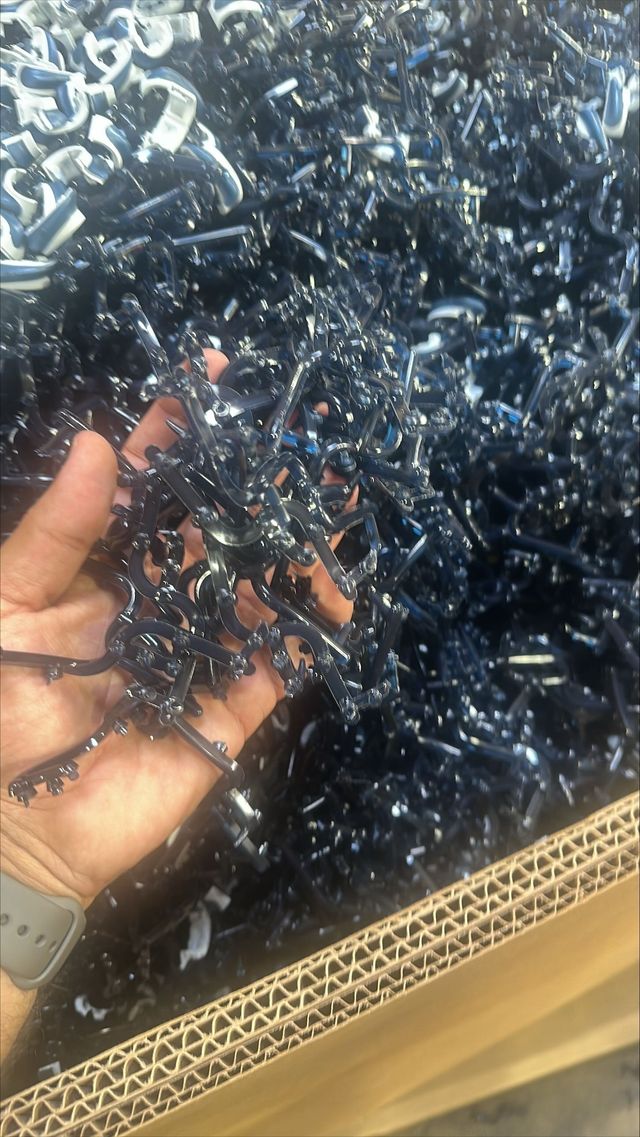
Scrap TPE
Waste
Specifications
- Item
- 531
- Material
- TPE
- Product type
- Scrap
- Form
- Waste
About this lot
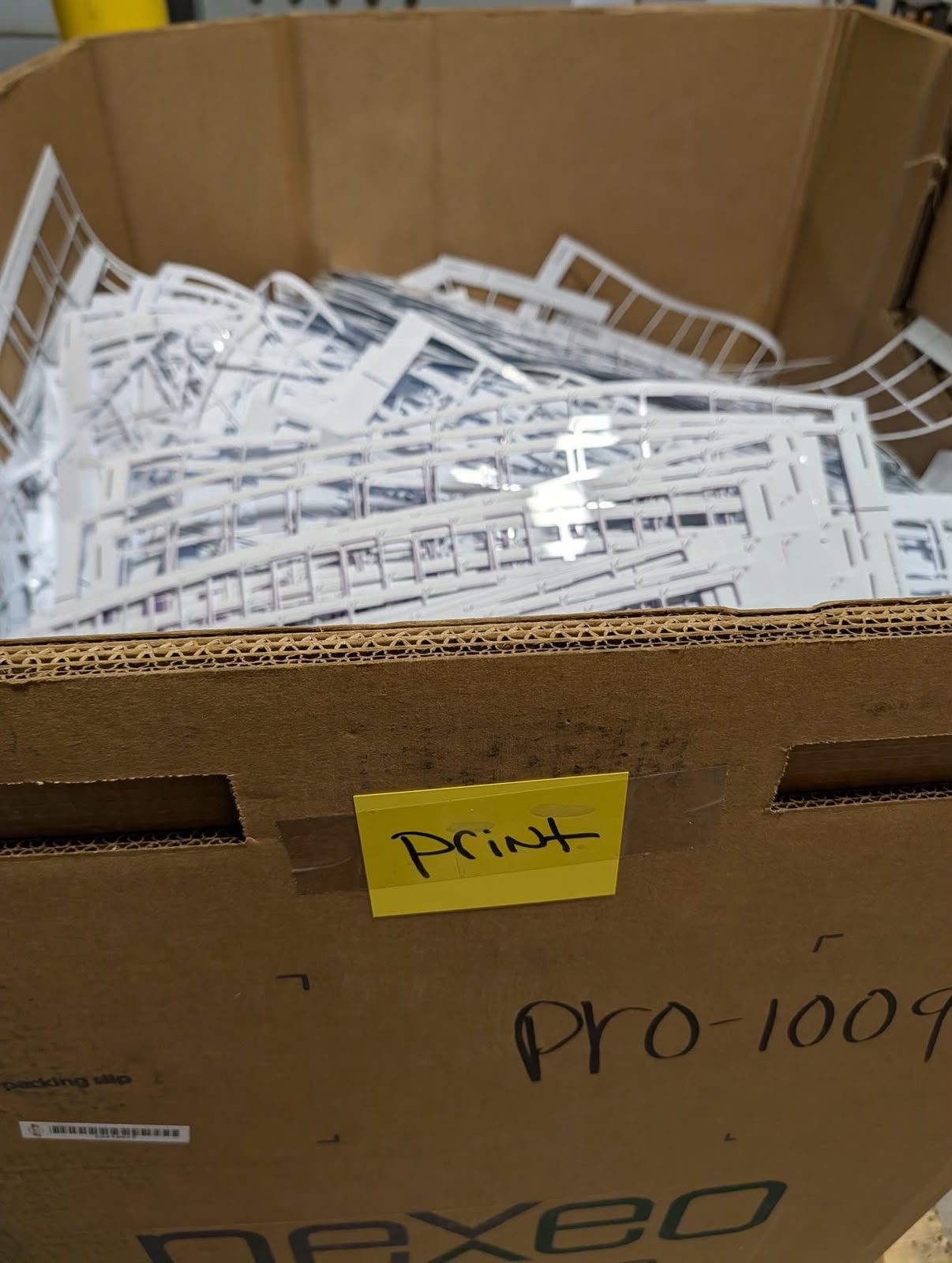
Scrap TPE consists of post-industrial or post-consumer thermoplastic elastomer waste generated from manufacturing processes such as extrusion, injection molding, blow molding, and profile production. TPE combines the flexibility and softness of rubber with the recyclability and processability of thermoplastics, making it a valuable secondary raw material. Scrap TPE retains its elastic properties after recycling and can be reprocessed into a wide range of durable and flexible products.
- Color
- Black
- Packaging
- Jumbo Bag
Material Composition:
•
100% Thermoplastic Elastomer (can include SBS, SEBS, TPO, TPV grades depending on source)
•
- Shore Hardness Range
- Typically from 30A to 90A
•
- Melting/Softening Temperature
- ~160–220°C (varies by grade and formulation)
Physical Characteristics:
•
- Form
- Lumps, regrinds, pellets, sheets, off-cuts, or defective molded parts
•
- Color
- Natural, black, or mixed colors
•
- Texture
- Soft, flexible, and rubber-like with excellent recovery properties
•
- Contamination Level
- Low (sorted and cleaned; minimal foreign material)
Applications:Recycled Scrap TPE can be used in:
•
Automotive parts such as seals, gaskets, and trims
•
Grips, handles, and soft-touch consumer goods
•
Footwear soles and straps
•
Cable insulation and sheathing
•
Sports and leisure equipment
•
Industrial seals and vibration-damping components
Advantages:
•
- Elastic Performance
- Retains flexibility and resilience after recycling
•
- Versatility
- Can be blended with other polymers for tailored properties
•
- Chemical Resistance
- Withstands oils, greases, and weathering
•
Eco-Friendly: Diverts waste from landfills and supports circular manufacturing
•
- Cost Efficiency
- More affordable than virgin TPE without major performance loss
Similar materials
See all products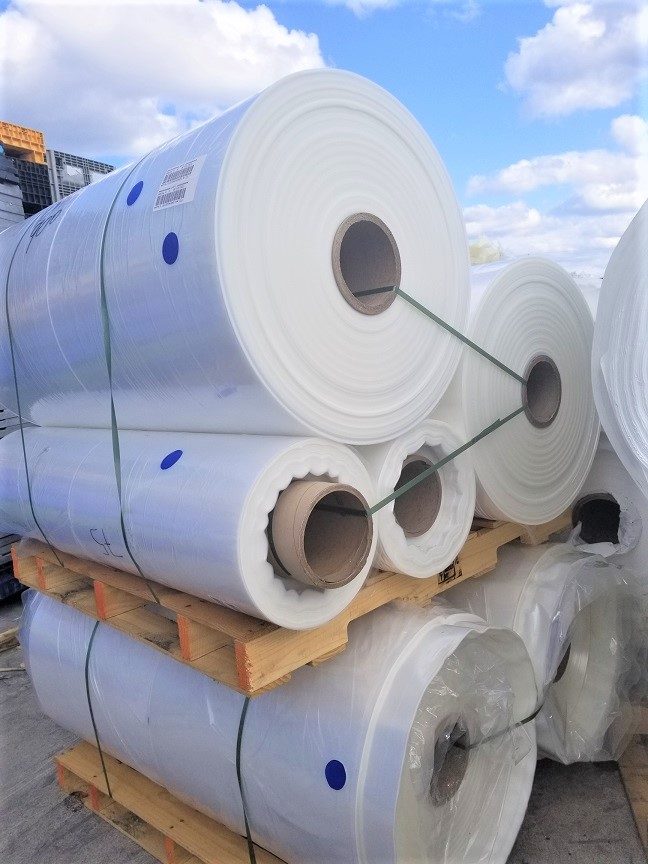
LLDPE Film Rolls with EVOH
Film / Rolls · United States
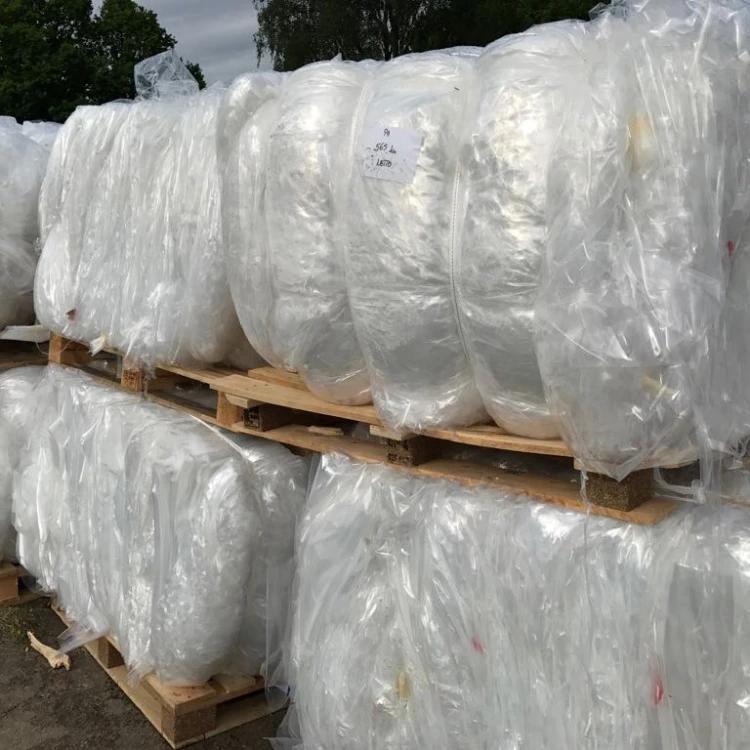
LLDPE Natural Film Scrap
Film / Rolls · United States
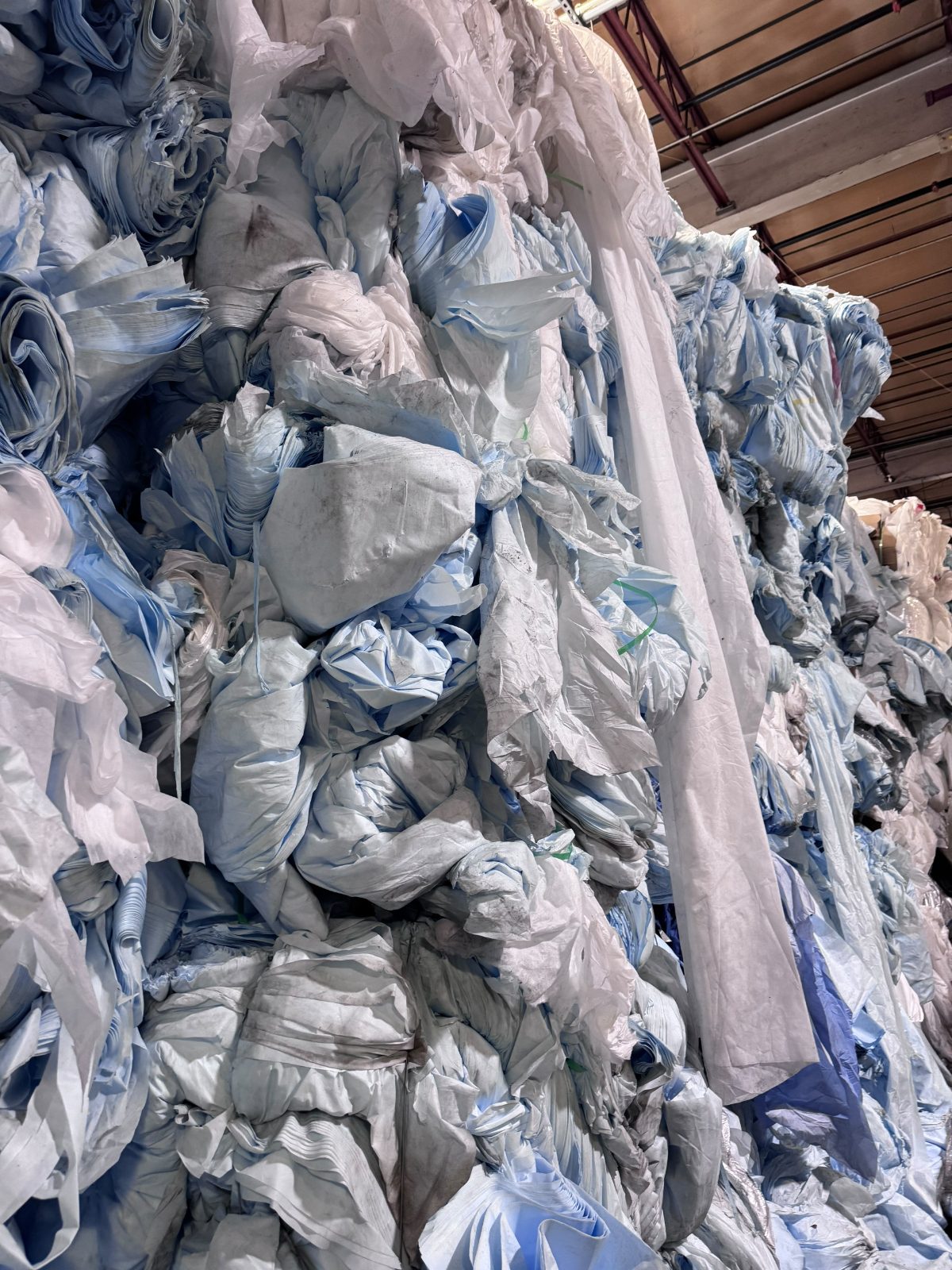
PP Non-Woven Scrap
Waste · United Arab Emirates
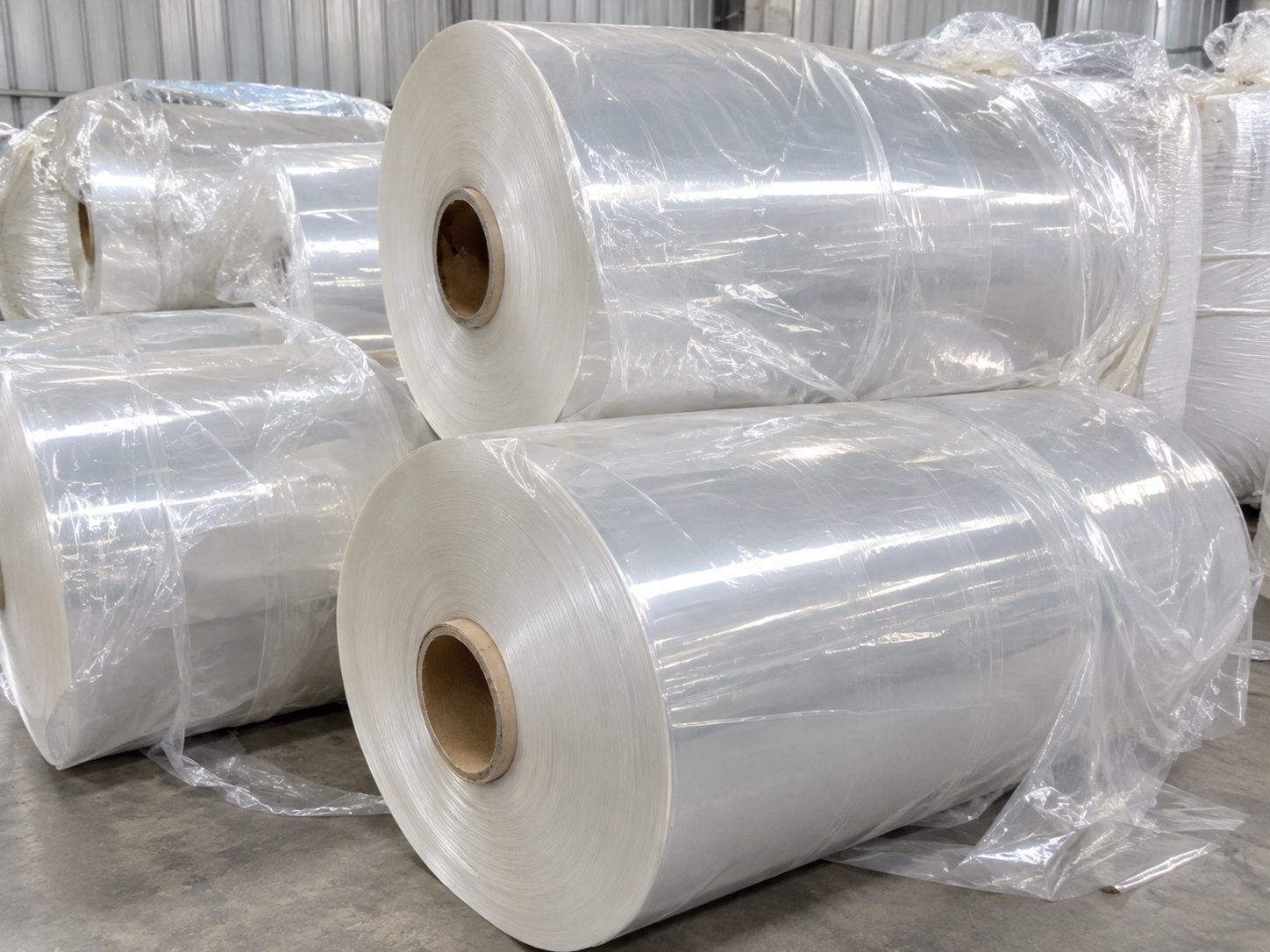
BOPP Rolls
Plain / Transparent · Film / Rolls · United Arab Emirates
PET Film Rolls and Bales
Film / Rolls · United Arab Emirates
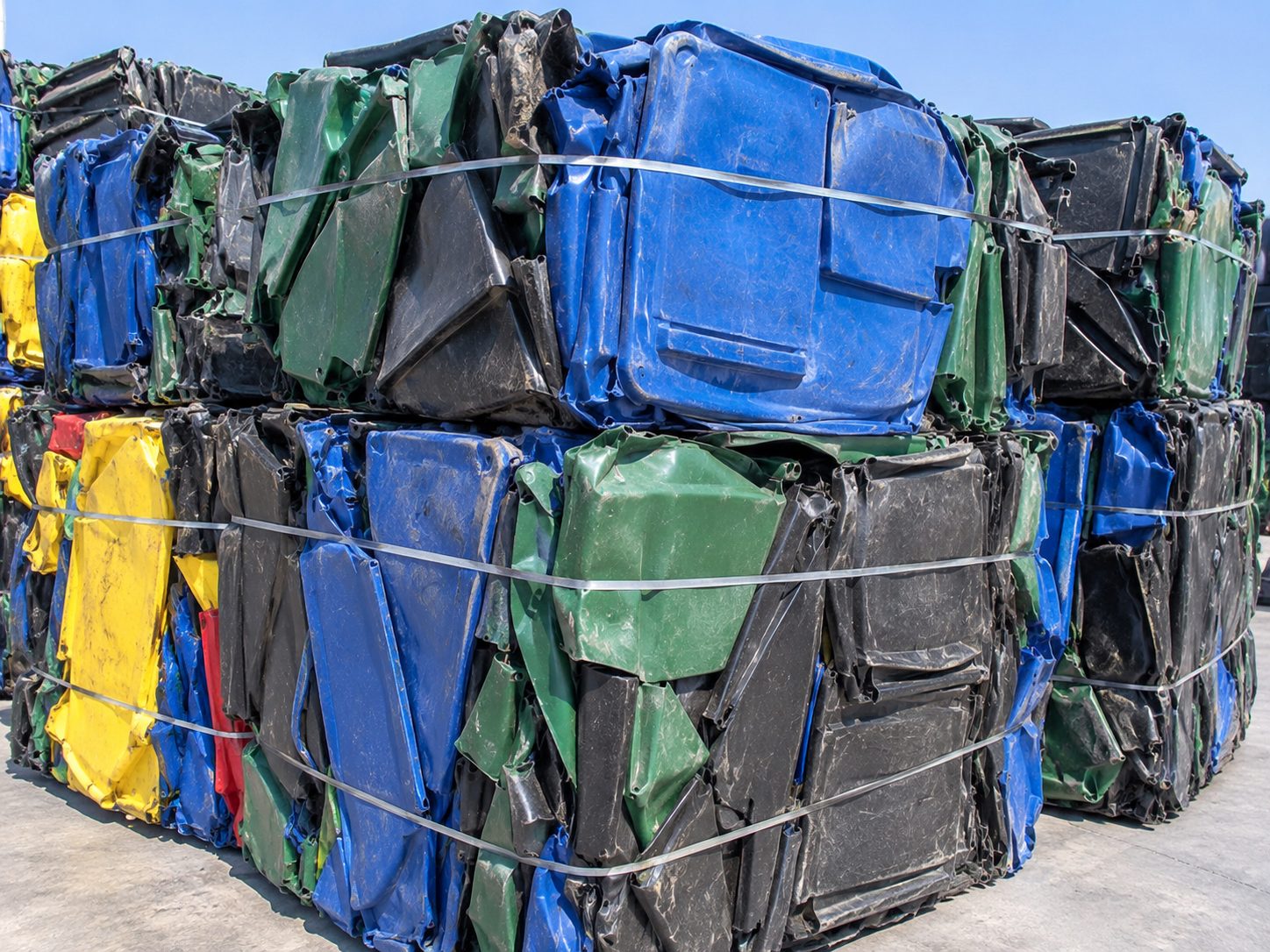
HDPE Dustbin Scrap in Bales
Bales · United States
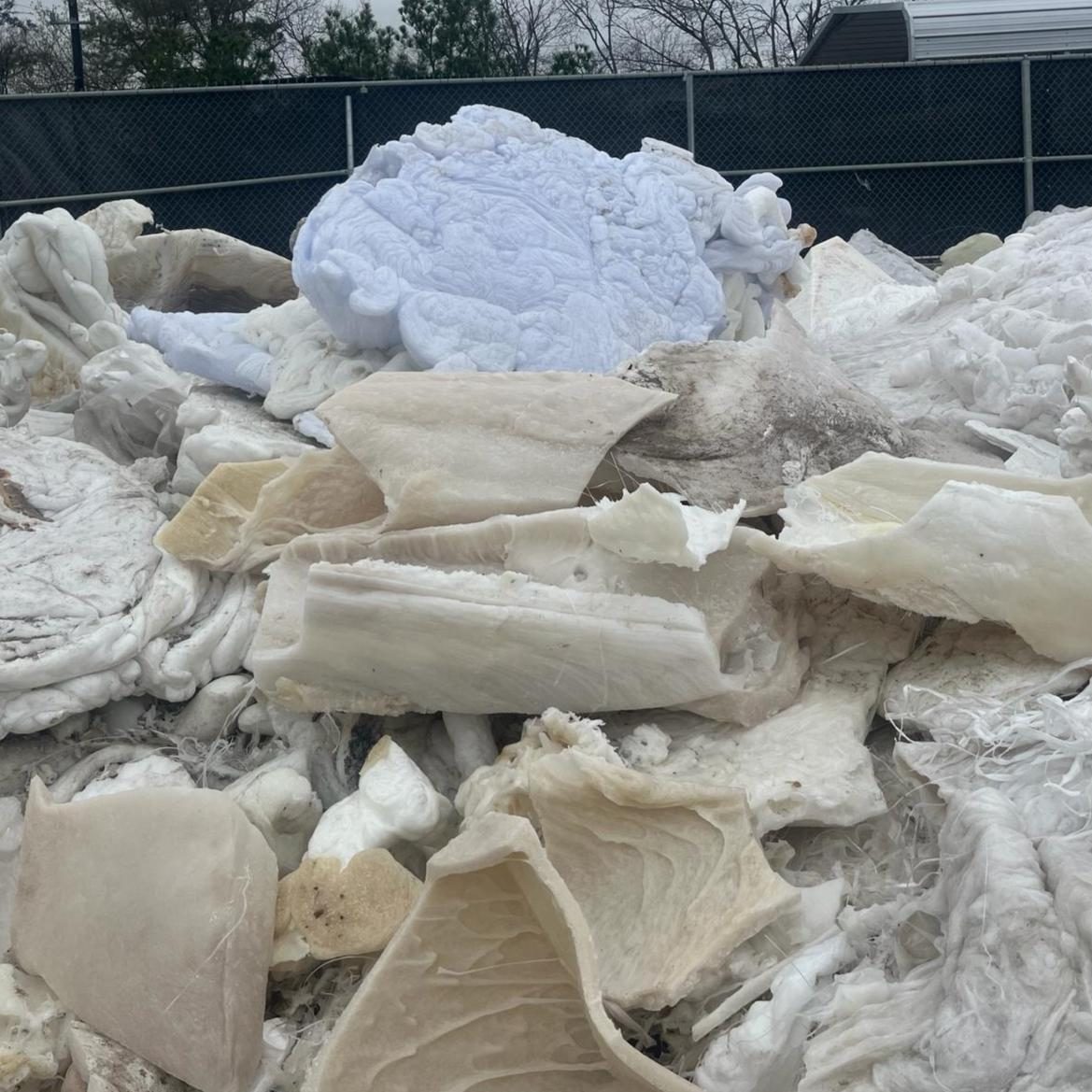
PP Purge
Waste · United States
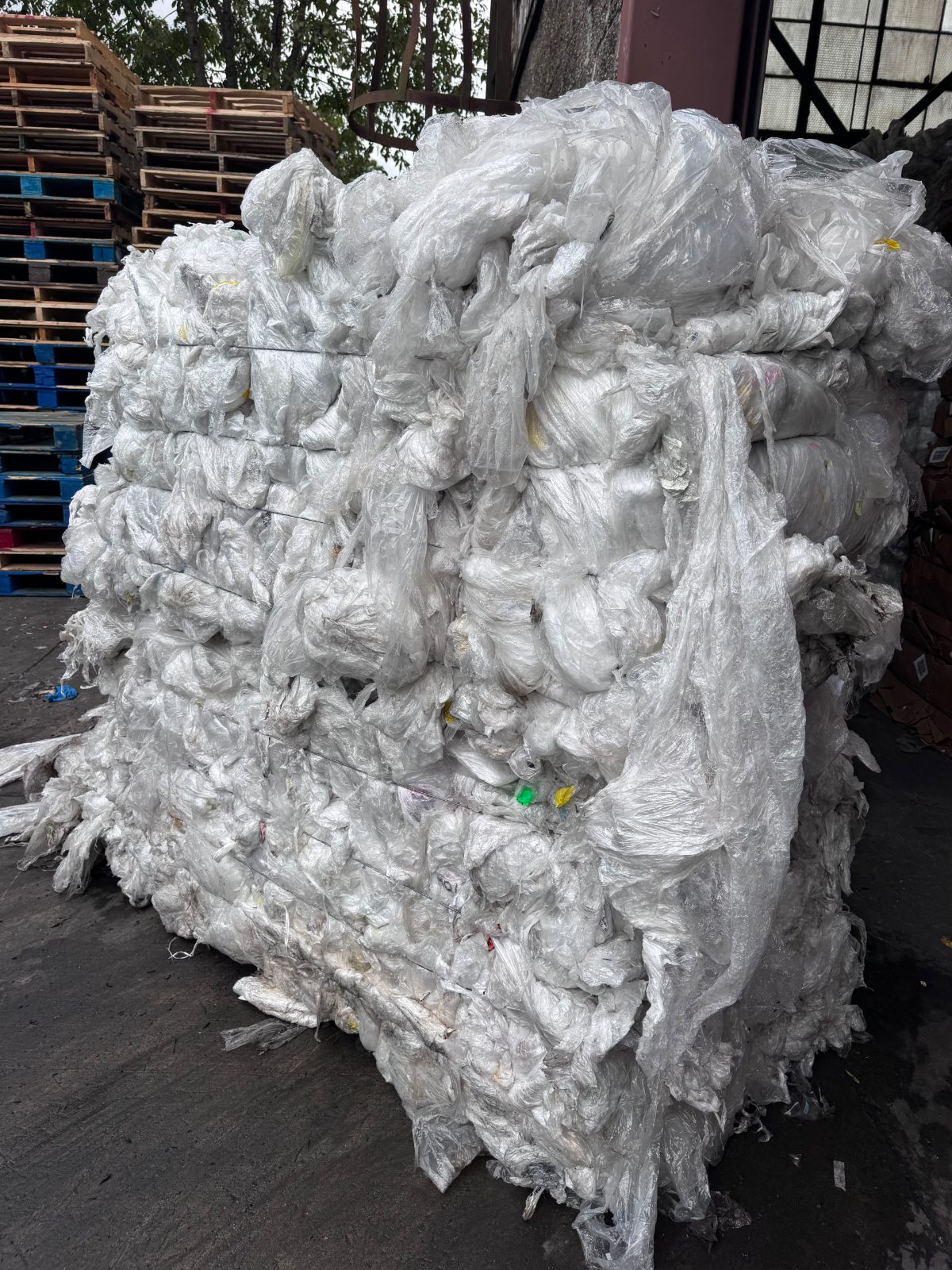
LDPE Film A Grade
Natural · Bales · United States
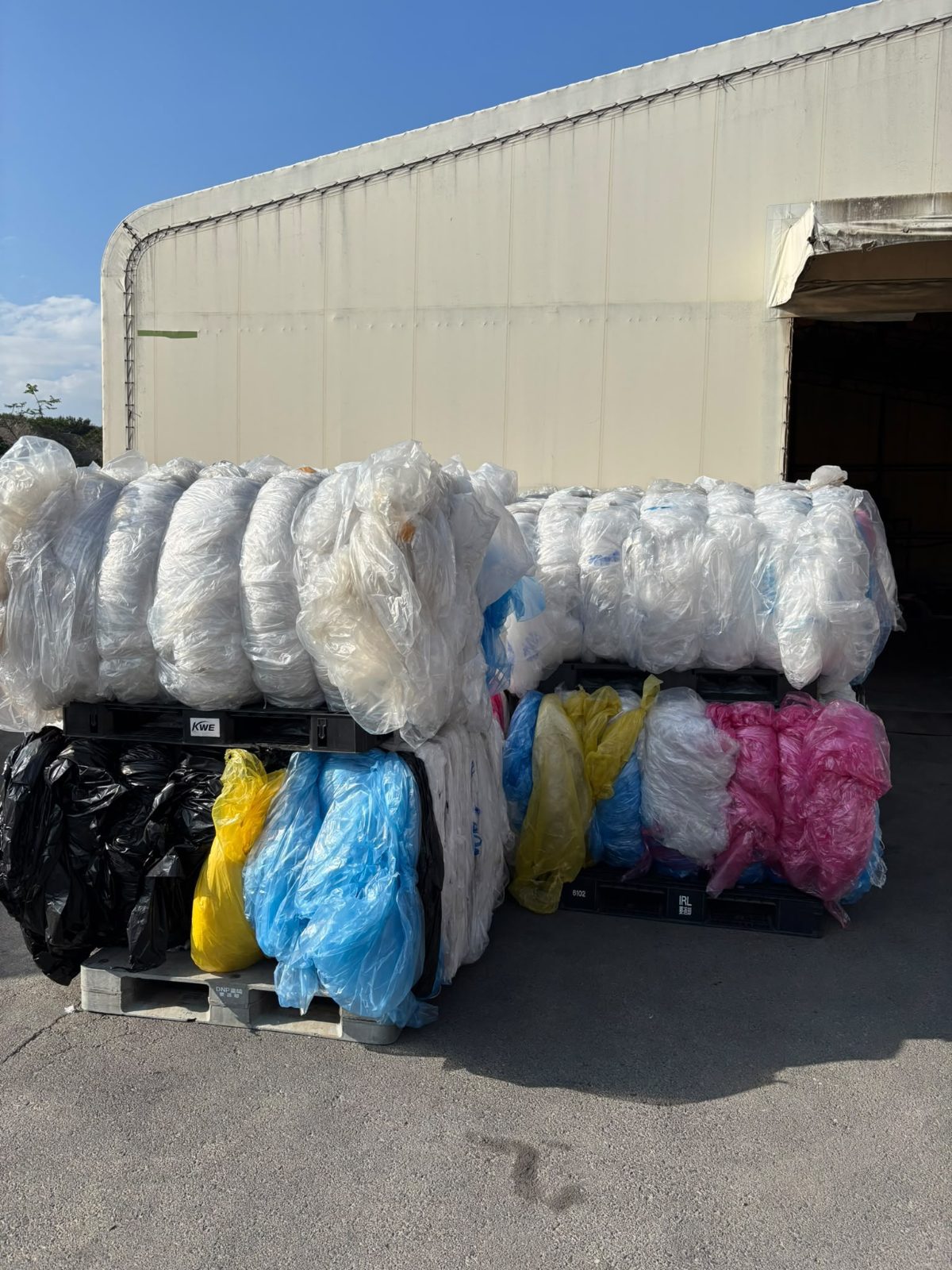
LDPE Film A Grade
Mixed color · Bales · Japan
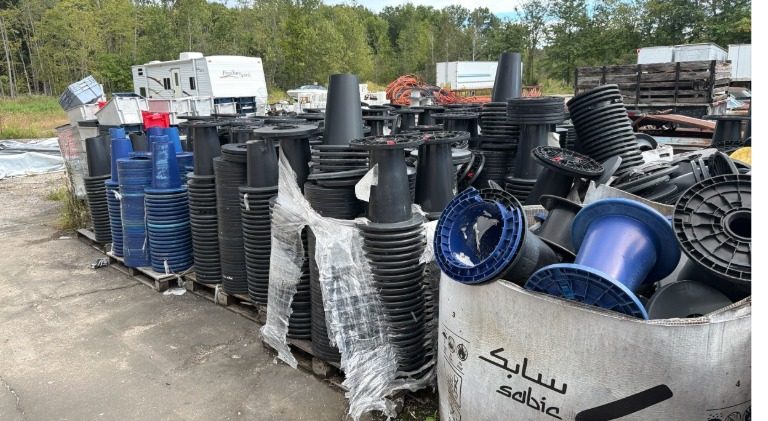
ABS Scrap: Lumps, Spools and Battery Regrind
Mixed Colour · Lumps · United States
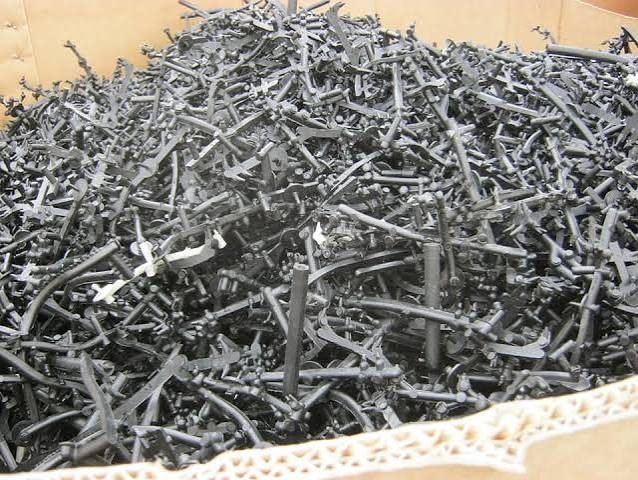
TPU Scrap
Black · Waste · United States
PVC Credit Card Scrap
Waste · United Arab Emirates