
ABS Regrind from Spool and Trays Clean Material

£0.00
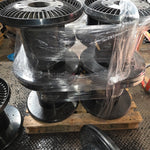
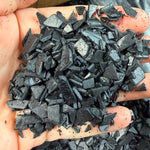
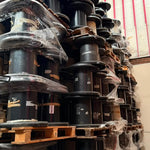
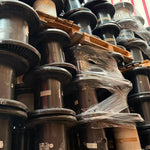
ABS Regrind from Spool and Trays (Clean Material) consists of clean recycled Acrylonitrile Butadiene Styrene (ABS) scrap sourced from plastic spools and trays. The material is collected, sorted, cleaned, and processed into high-quality regrind flakes...
Available:
In stock

Tags: ABS

Category: Plastic Waste Products

Vendor:Polymer in Stock

ORIGIN: USA
ASK FOR PRICE
Orders ship within 5 to 10 business days.

ABS Regrind from Spool and Trays (Clean Material) consists of clean recycled Acrylonitrile Butadiene Styrene (ABS) scrap sourced from plastic spools and trays. The material is collected, sorted, cleaned, and processed into high-quality regrind flakes for reuse in manufacturing. ABS regrind is widely used in the production of automotive components, electronic housings, industrial parts, household products, and other injection-molded applications, helping reduce plastic waste and support sustainable resource management.

Port of Loading - USA

QTY. – 17 MT

Stock Availability – 50MT/Month

Country of Origin: USA

Volume: Available consistent

Container loading: 20 and 40 Feet

Can export to – Any part of the world


Our Quality Assurance and Shipping Process

Material Guarantee We assure you that the material will meet the specifications of the loading pictures and the sample provided prior to shipment. Customer satisfaction and transparency are our top priorities.


Our Step-by-Step Process

  1. Quality Inspection:
    • Before finalizing the shipment, our Quality Control (QC) team conducts a thorough inspection of the material to ensure it meets the agreed-upon standards.
    • Detailed videos and pictures of the material are captured during the inspection and shared with the customer for approval.
  2. Container Booking:
    • Once the customer approves the material, a container is booked on the next available vessel to ensure prompt delivery.
    • The booking details, including the shipping schedule, are shared with the customer for tracking purposes.
  3. Loading and Documentation:
    • Material condition
    • Loading procedure
    • Container and seal numbers
    • The material is carefully loaded into the container.
    • During loading, we document the entire process with pictures and videos, capturing essential details such as:
    • These visuals, along with the draft of the Bill of Lading (BL), are shared with the customer for verification.
  4. BL Draft Confirmation:
    • The customer reviews and confirms the BL draft.
    • Based on the confirmation, the Original Bill of Lading (OBL) is issued.
    • A copy of the OBL is then shared with the customer.

RECENTLY VIEWED PRODUCTS