





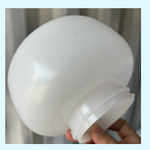
Category: PMMA, Recycled Material
Vendor:Polymer in Stock
Item code: 1126
PMMA Regrind is a recycled polymethyl methacrylate (PMMA), commonly known as acrylic, produced by mechanically grinding clean PMMA scrap into a uniform regrind form. The material is primarily sourced from post-industrial waste, including sheet offcuts, rejected molded parts, signage scrap, lighting components, and display materials.
PMMA regrind is valued for its excellent optical clarity, weather resistance, and surface gloss, making it a cost-effective alternative to virgin PMMA for non-food and industrial applications.
Color – White
Packaging – Jumbo Bag
Port of Loading - Japan
QTY. – 20 Tones
Stock Availability – 150 MT/Month
Country of Origin: Japan
Volume: Available consistent
Container loading: 20 and 40 Feet
Can export to – Any part of the world
Our Quality Assurance and Shipping Process
Material Guarantee We assure you that the material will meet the specifications of the loading pictures and the sample provided prior to shipment. Customer satisfaction and transparency are our top priorities.
Our Step-by-Step Process
- Quality Inspection:
- Before finalizing the shipment, our Quality Control (QC) team conducts a thorough inspection of the material to ensure it meets the agreed-upon standards.
- Detailed videos and pictures of the material are captured during the inspection and shared with the customer for approval.
- Container Booking:
- Once the customer approves the material, a container is booked on the next available vessel to ensure prompt delivery.
- The booking details, including the shipping schedule, are shared with the customer for tracking purposes.
-
Loading and Documentation:
- Material condition
- Loading procedure
- Container and seal numbers
- The material is carefully loaded into the container.
- During loading, we document the entire process with pictures and videos, capturing essential details such as:
- These visuals, along with the draft of the Bill of Lading (BL), are shared with the customer for verification.
- BL Draft Confirmation:
- The customer reviews and confirms the BL draft.
- Based on the confirmation, the Original Bill of Lading (OBL) is issued.
- A copy of the OBL is then shared with the customer.
Key Features & Benefits
-
High Acrylic Purity
Predominantly PMMA with minimal contamination. -
Excellent Optical Properties
Maintains high light transmission and surface gloss in clear grades. -
Good Weather & UV Resistance
Suitable for indoor and outdoor applications. -
Consistent Regrind Size
Ensures smooth processing and stable melt flow. -
Cost-Effective & Sustainable
Reduces material cost and supports circular manufacturing.
Typical Material Characteristics
-
Polymer Type: Polymethyl Methacrylate (PMMA / Acrylic)
-
Form: Regrind / ground scrap
-
Color: Clear, transparent, or mixed colors
-
Source: Acrylic sheets, signage, displays, molded parts
-
Moisture Sensitivity: Moderate (drying recommended)
-
Contamination Level: Low (PMMA-only preferred)
Typical Applications (After Recycling)
-
Acrylic sheets and panels (non-optical critical)
-
Signage and display products
-
Lighting covers and diffusers
-
Injection-molded decorative components
-
Extruded profiles and accessories
Processing Methods
-
Drying before processing
-
Injection molding
-
Extrusion and sheet extrusion
-
Compounding with impact modifiers or color masterbatches
RECENTLY VIEWED PRODUCTS